
Hamra, Beirut
Beirut
01 / 02Address
Hamra Piccadilly Center1st floorClinic days
- Monday
- Tuesday
- Thursday
- Friday
Dental Implantologist · Beirut · Nabatieh
Precision. Natural beauty. Modern dentistry.
Two clinics
Hamra in Beirut, and Nabatieh
Six treatments
Implantology comes first
Follow-up care
Patients are seen again, years later
Sterilization
Strict protocols at both clinics
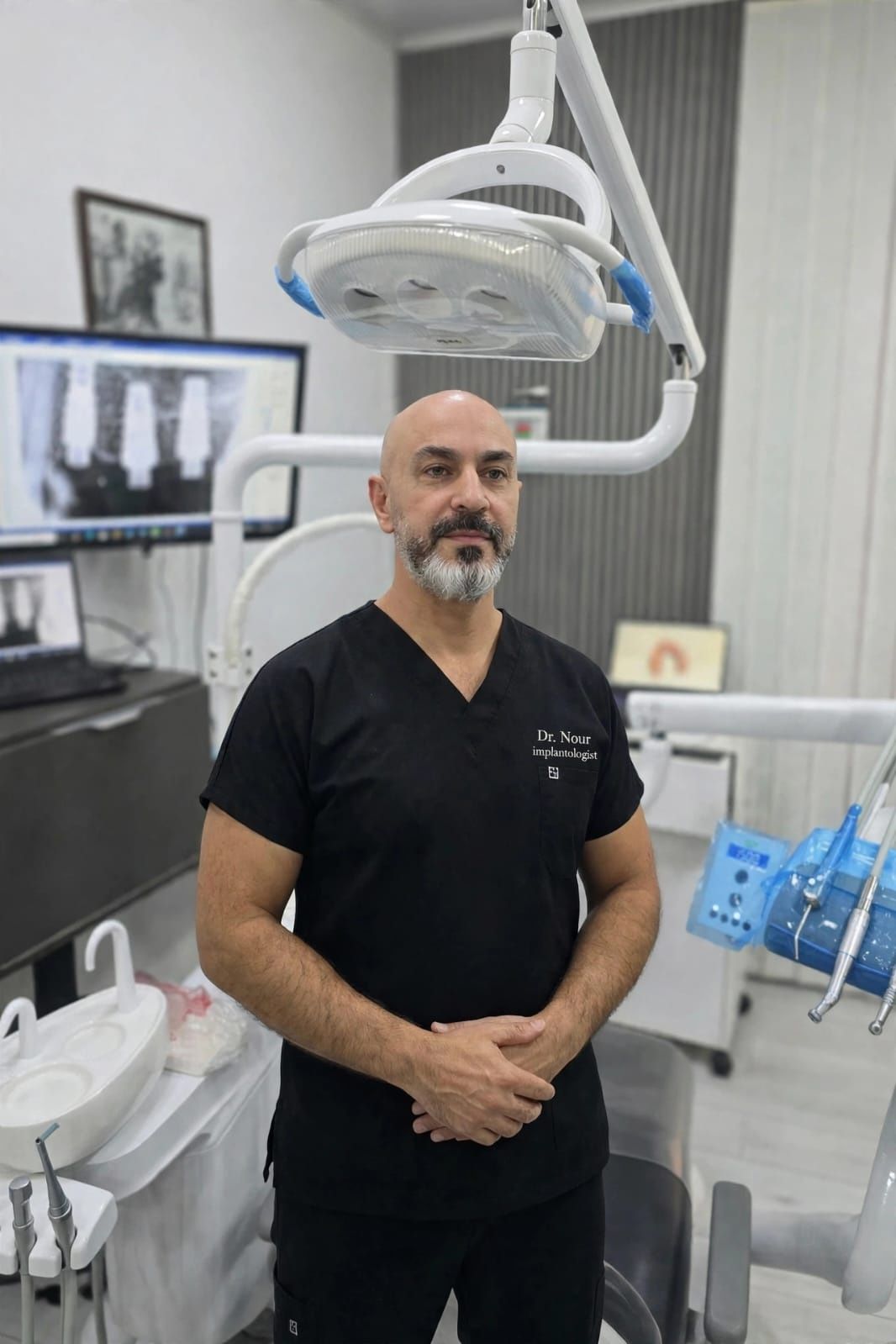
The dentist
Dental Implantologist · Beirut · Nabatieh
Dr. Nour sees patients in Hamra, Beirut and in Nabatieh. His work centres on replacing and restoring teeth: single implants, All-on-6 full-arch restorations, veneers, crowns and complete smile makeovers.
Each case is planned for a result that looks natural and can be looked after, and it is explained plainly before treatment begins.
Treatments
From a single implant to a complete smile, each treatment starts with an examination and a written plan.
All treatments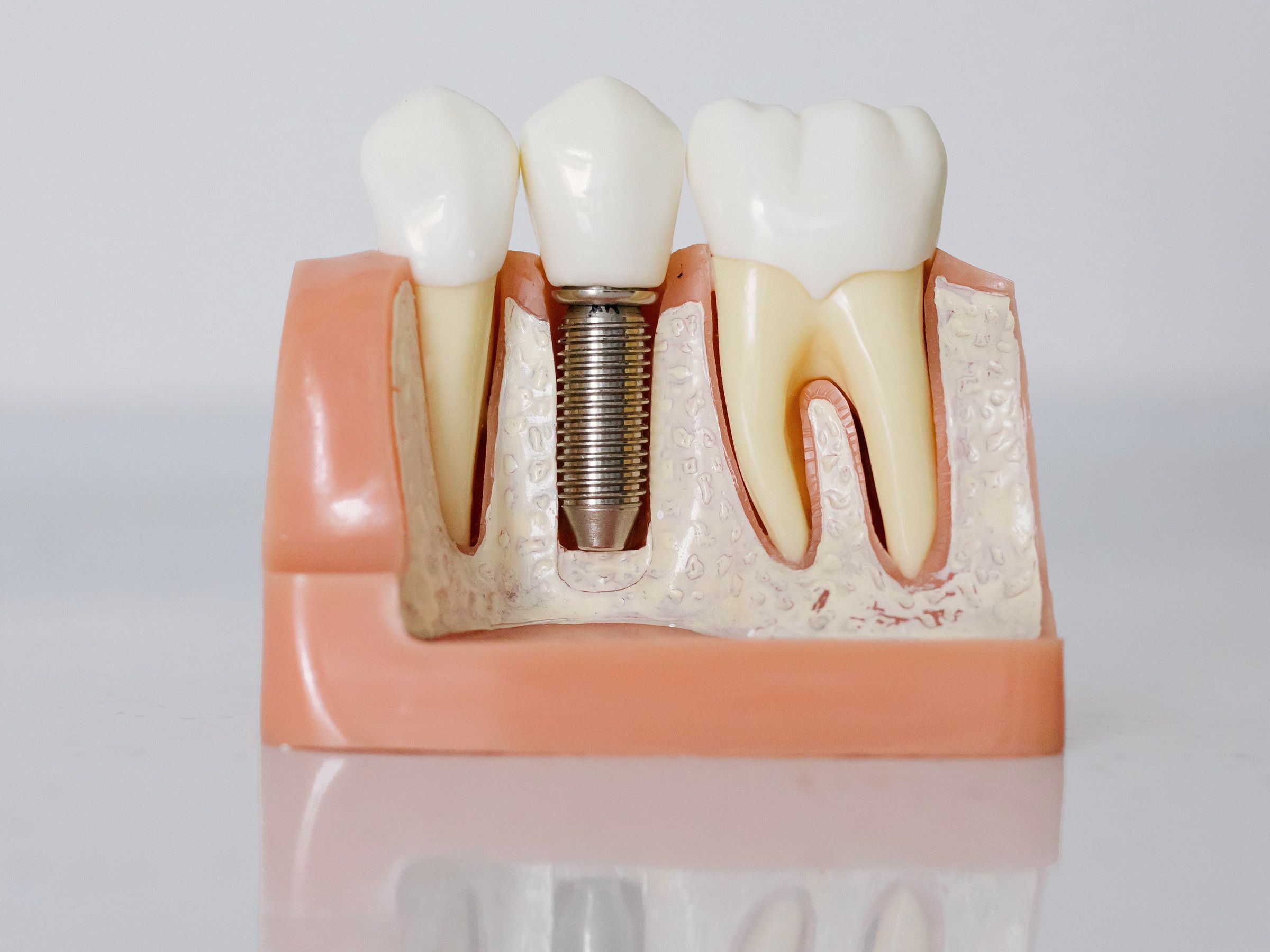
Replacing one tooth, several teeth or a full arch with restorations anchored in the jaw.
Explore treatment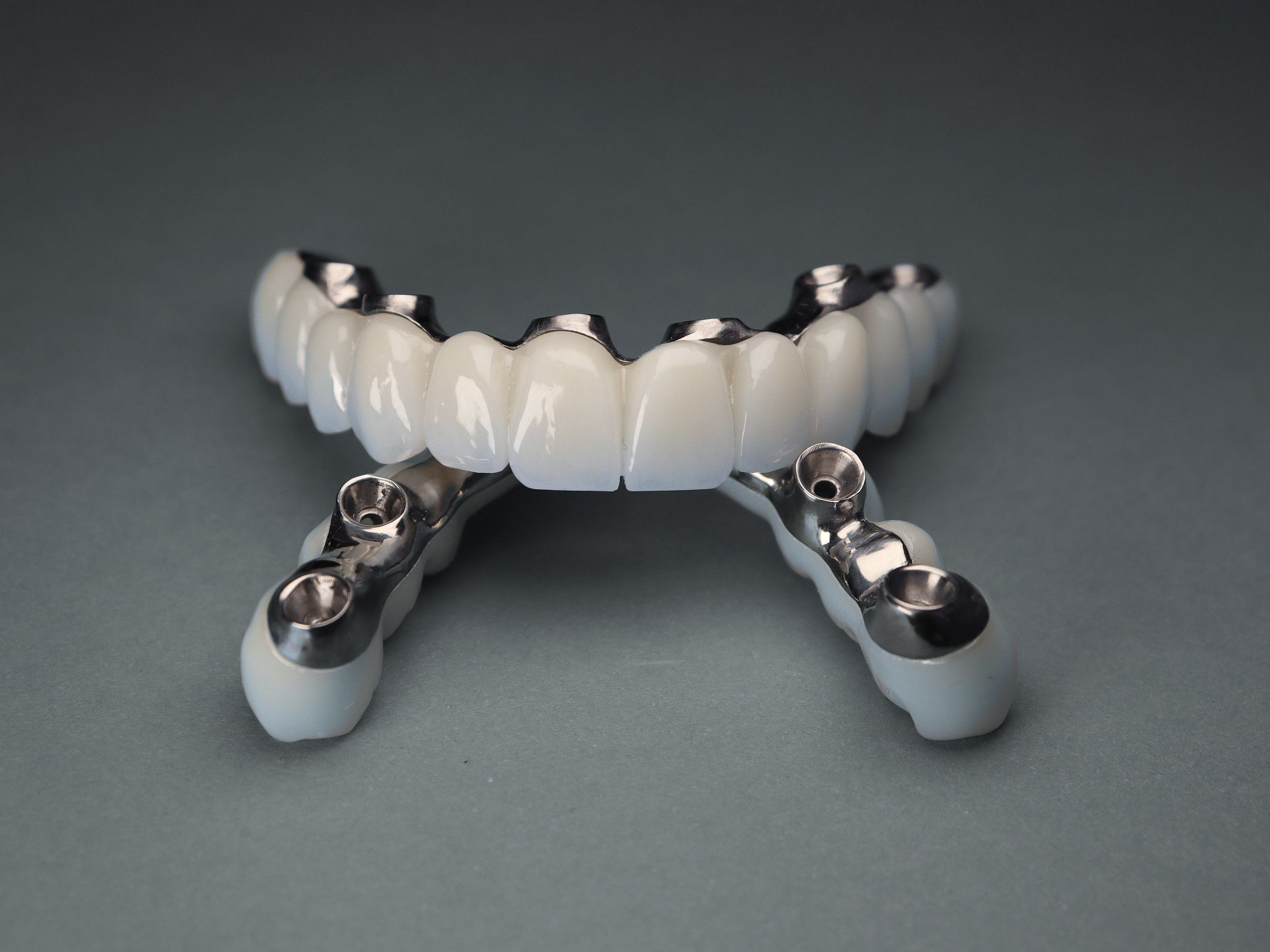
A full arch of fixed teeth supported by six implants, for patients who have lost most or all of their teeth.
Explore treatment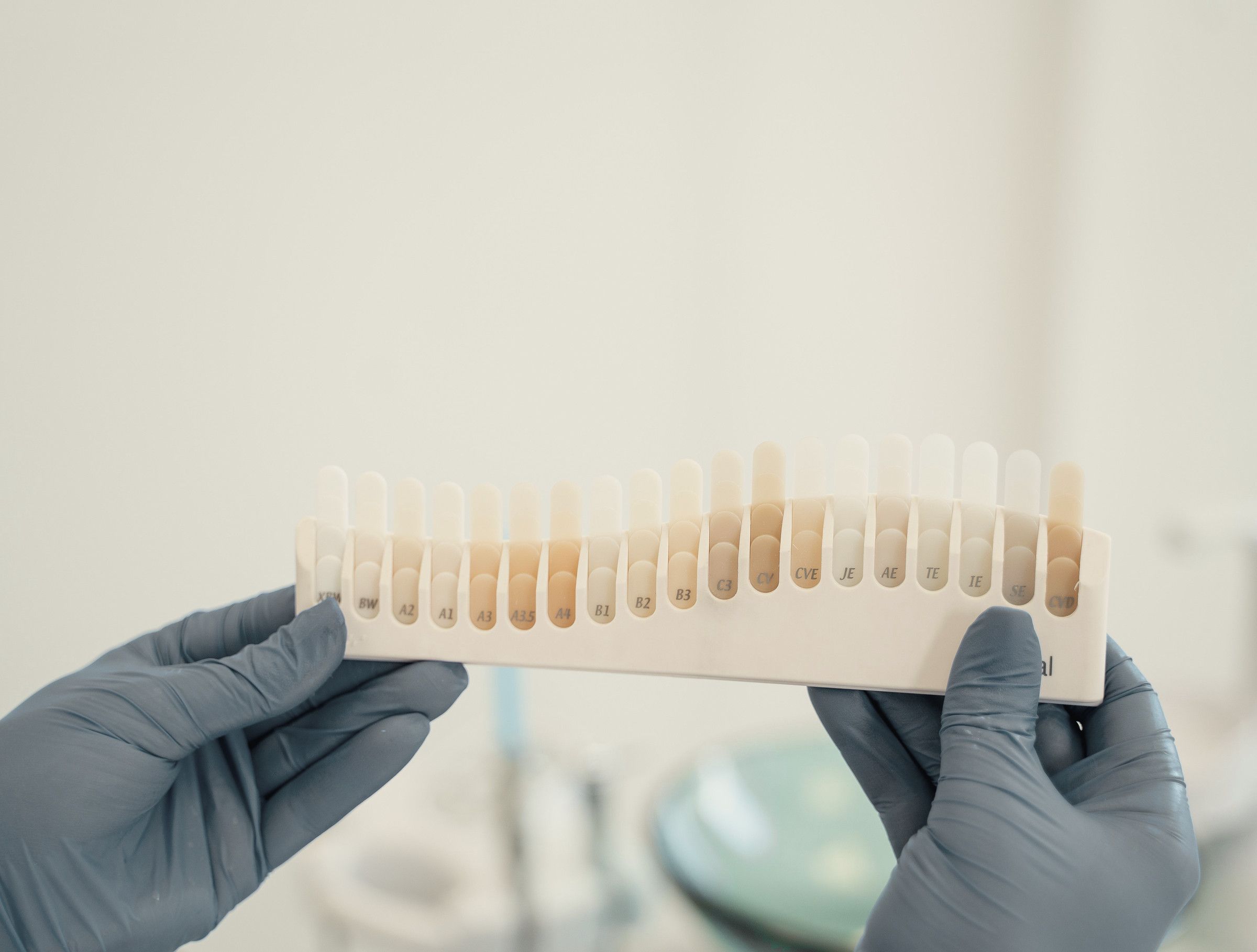
Thin restorations bonded to the front of the teeth to change their colour, shape or proportions.
Explore treatment
Rebuilding broken, decayed or heavily worn teeth so they work, and look, like teeth again.
Explore treatment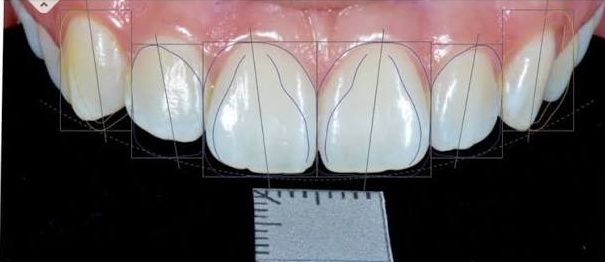
A planned combination of treatments that changes the overall appearance of a smile.
Explore treatment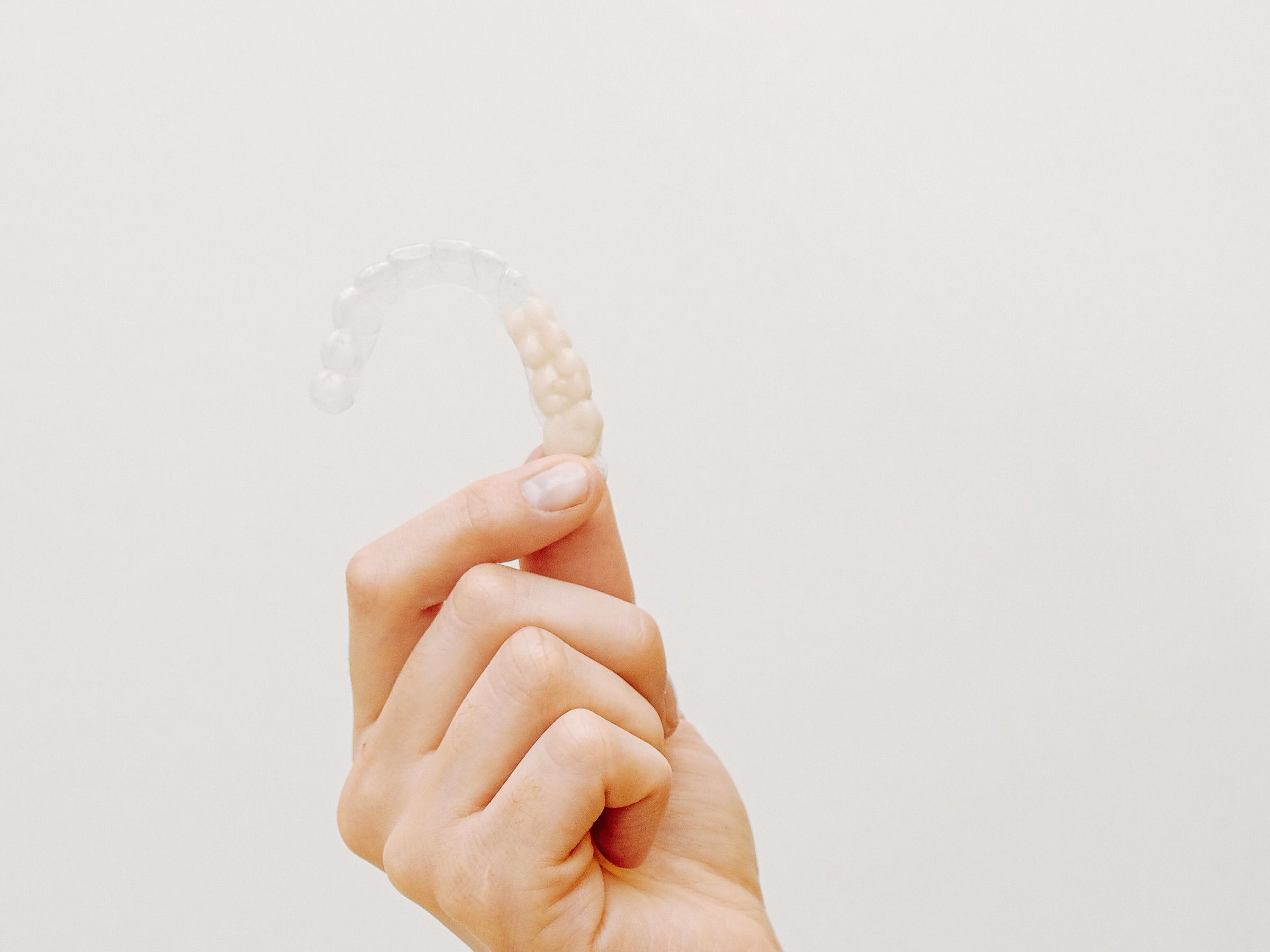
Improving the position and evenness of the teeth that show when you smile.
Explore treatmentSignature case
Every case is a real patient of the practice, photographed in the clinic. No case photograph is stock or simulated.
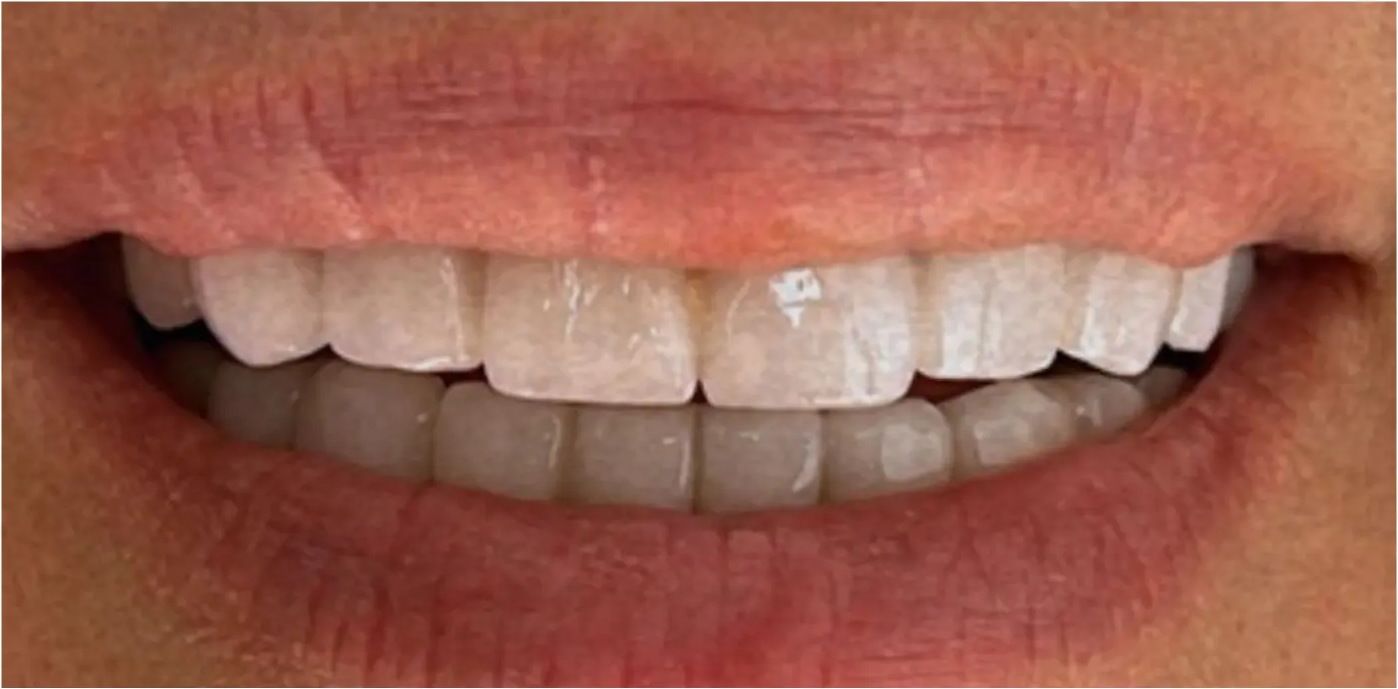
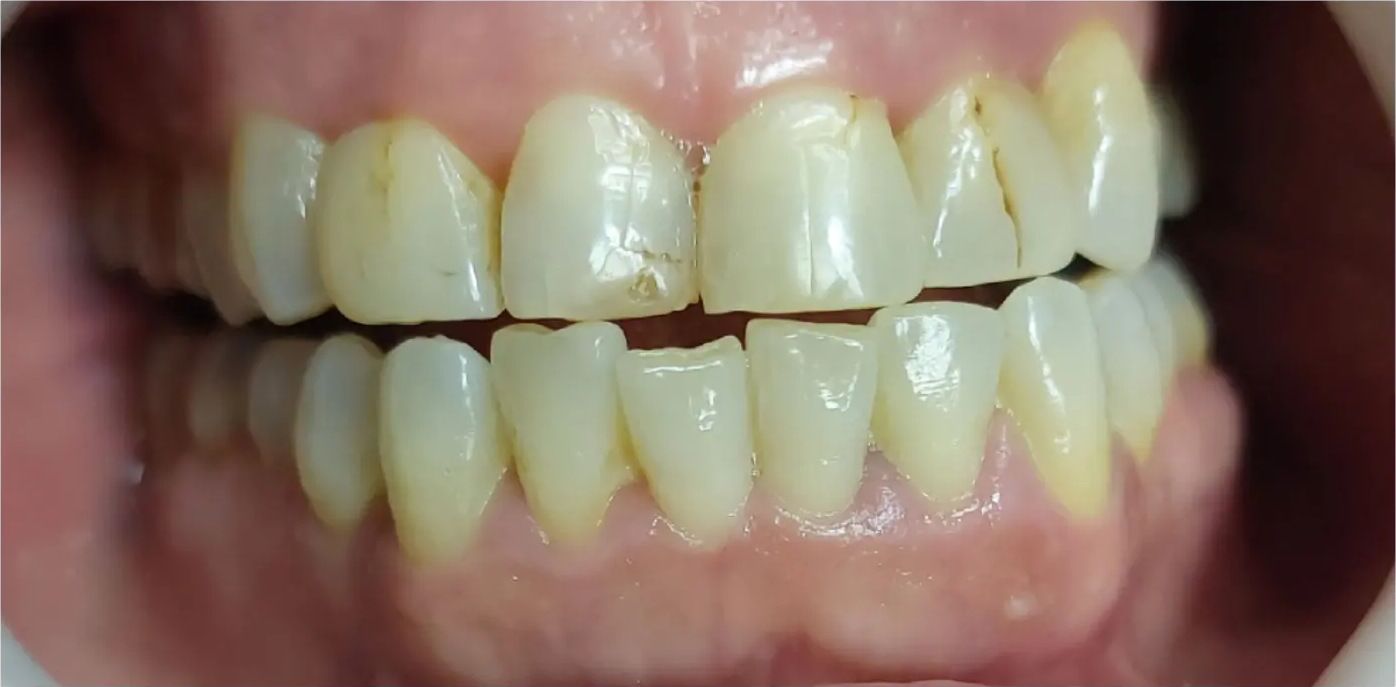
Clinical outcomes vary between patients. The cases shown are examples of individual treatments and are not a guarantee of a particular result.
The implant journey
Plain language, no surprises. The full patient guide covers healing, aftercare and how the cost is worked out.
Patient guideYou explain what you would like to change. Your teeth, gums, bite and medical history are reviewed, and your questions answered.
X-rays, and three-dimensional imaging where it is needed, show the bone. The implant position is planned around the final tooth, and you receive a written plan.
The implant is placed under local anaesthesia. Depending on the case, a temporary tooth may be fitted the same day.
The bone joins with the implant over a period that depends on your case. Follow-up visits check that healing is on track.
The final crown, bridge or arch is made, fitted and adjusted for bite and appearance. Reviews continue in the years that follow.
A general outline, not a fixed sequence. Your treatment plan depends on your own clinical assessment, and stages may be combined or added.
The practice
Natural beauty, modern technology and sterilization standards, in the practice's own words.
Explore the practice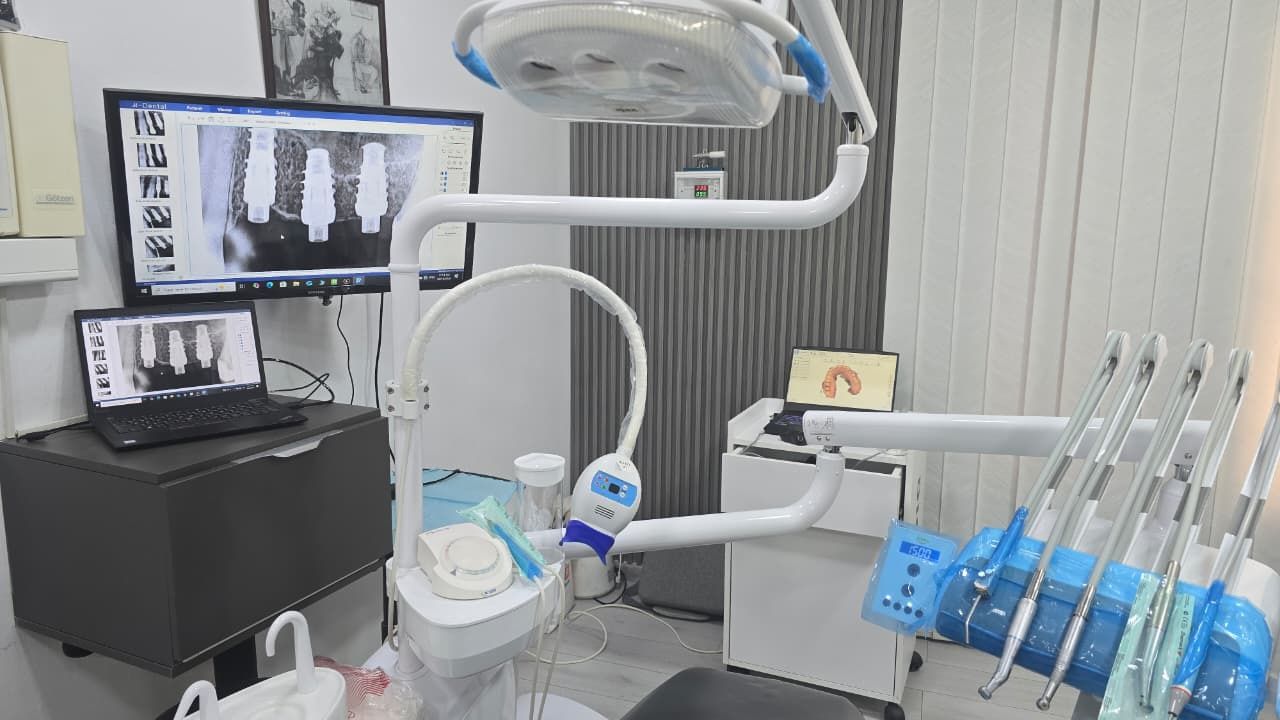
Restorations are shaped and shaded to suit the face they belong to, so the result reads as teeth rather than as dental work.
Digital imaging and current implant systems support planning before treatment and checking after it.
Instruments and surgical fields are prepared to strict sterilization protocols for every patient, at both clinics.
Follow-up
Implants and restorations are reviewed long after treatment ends. Follow-up is part of the treatment, not an extra.
Clinics
Beirut on Monday, Tuesday, Thursday and Friday. Nabatieh on Wednesday and Saturday.
Clinic detailsQuestions
General information only. It does not replace an examination or personal advice.
More in the patient guideThe procedure is done under local anaesthesia, so the area is numb while the implant is placed. Swelling and tenderness for a few days afterwards are common and are usually managed with simple pain relief. You are told what to expect for your own case and how to reach the clinic if you are worried.
It depends on the case. Sometimes teeth can be fitted on the day the implant is placed. More often the implant heals for a period of weeks to months before the final tooth is made. Your written plan sets out the expected sequence before treatment starts.
Most adults who have lost teeth can be considered. Suitability depends on bone volume, gum health, general health and habits such as smoking, and is confirmed with an examination and imaging.
Bone loss is common after a tooth has been missing for some time. Imaging shows how much bone is available, and options such as a different implant position or bone augmentation may be discussed. Whether any of these suit you is decided at assessment.
Implants are designed as a long-term solution, but no treatment can be guaranteed for life. Daily cleaning, regular reviews and general health all affect how long an implant and its crown last. Dr. Nour continues to follow his patients' implants over the years.
A denture rests on the gums and is taken out to clean. All-on-6 is a full arch of teeth fixed to six implants. It stays in place, does not move when you eat or speak, and is cleaned in the mouth.
Whichever is easier for you. Dr. Nour sees patients at Hamra Piccadilly Center in Beirut on Monday, Tuesday, Thursday and Friday, and in Nabatieh on Wednesday and Saturday.
Treatment is planned individually, so the cost depends on what you need, for example the number of implants, any extractions or bone work, and the type of restoration. After the examination you receive a written plan that sets out each stage before you decide.
From the practice
Cases, follow-ups and the occasional thought, posted by the practice at @nour_khattab_badreddine.
Follow on InstagramAppointments
Appointments are arranged by phone or through the request form, at either clinic. Sending a request does not commit you to anything.


